Home / Home Insurance

Missouri Home Insurance: We explain it. You pick what fits.

Hail, wind, tornadoes, sinkholes and the questions nobody explains. We walk you through each coverage in plain English, quote Farmers first, and look at other options when Farmers isn't the best fit.

SullivanLocal office
52Client reviews
FarmersPlus other options
4Hometown team
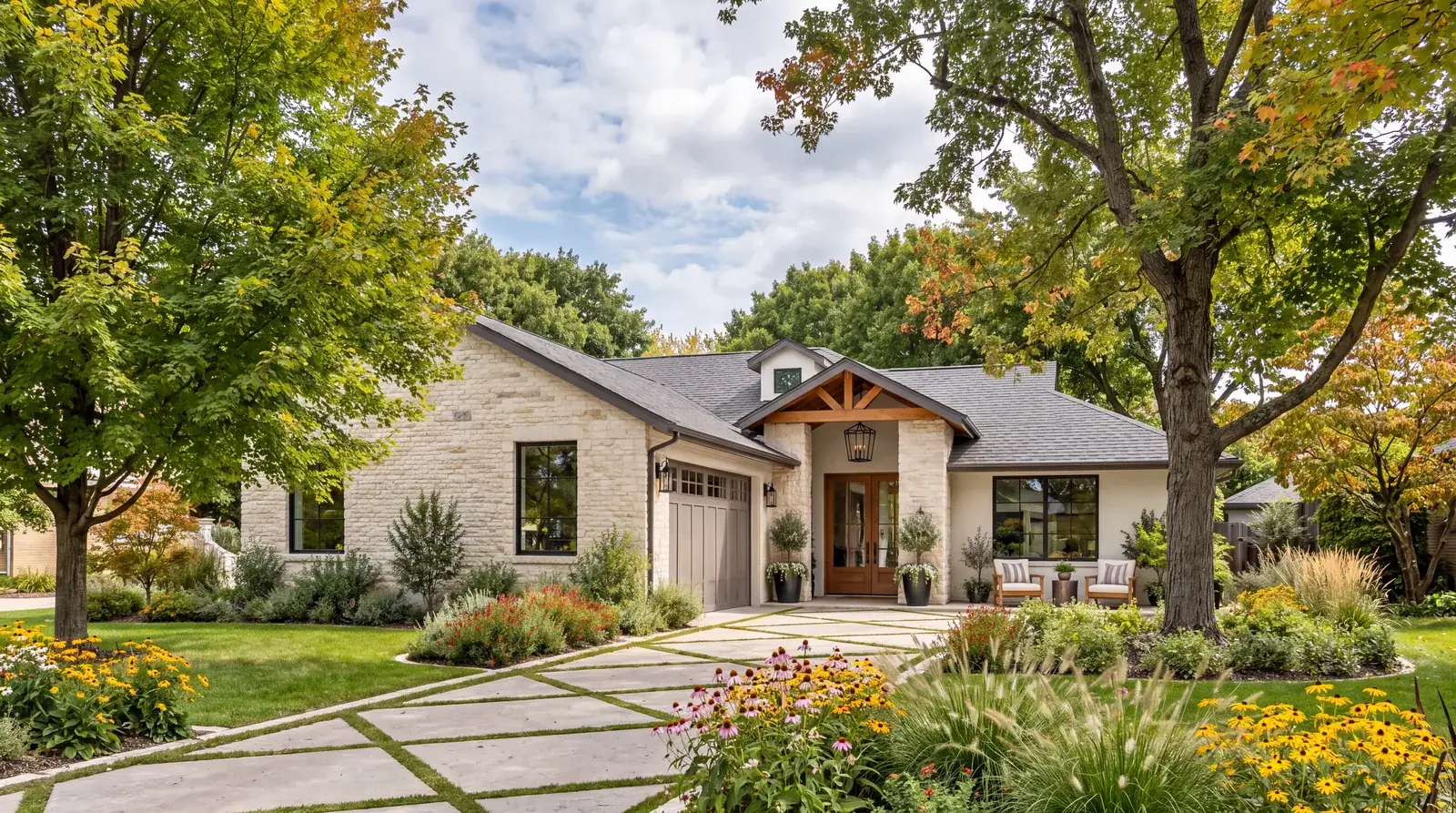
A stone family home with fall landscaping
The Quick Answer

Missouri doesn't require homeowners insurance by law, but your mortgage lender does. The most important number on the policy is your dwelling limit, which should equal rebuild cost, not market value. In Missouri the big risks are hail, high wind and tornadoes; Missouri sees frequent hail, especially from spring into summer. Wind and hail are typically covered, but some insurers use a percentage deductible for wind and hail (2% of a $100,000 dwelling limit is $2,000). Earthquake is not covered by a standard policy and must be bought separately. Sinkholes are common in Missouri's karst terrain and earth movement is typically excluded, though sinkhole coverage may be available by endorsement. Sewer backup usually needs an endorsement, and flood needs its own policy. If the regular market won't write a home, the Missouri FAIR Plan is the fallback. Tina Gregory Agency is a Farmers Insurance agency in Sullivan that can also quote other companies through Kraft Lake Insurance Agency. Call (573) 358-4513.

Insure to
Rebuild cost, not market value
Check first
Your wind/hail deductible
Not covered
Flood and earthquake (separate)
Free quotes
(573) 358-4513
Missouri Home Insurance, The Short Version

Most people never get the coverages explained. We actually do that part.

Here's how we work: we explain the coverages to you and let you pick what works for you. No pressure and no jargon. You'll know what your dwelling limit means, what your deductible really is, and what's left out before you sign anything.

In Missouri, the details that matter most are about weather and ground. Hail and wind are the big ones. Missouri sees frequent hail. Add spring tornado warnings, a cold snap that freezes a pipe, the sinkholes that come with our karst terrain, and earthquake coverage that a standard policy doesn't include, and you can see why a quick online quote can miss things.

We're a Farmers Insurance® agency with more than one door. We start with Farmers. When Farmers isn't the best fit for a home, such as some manufactured homes, older homes or properties that are harder to place, we may be able to quote Farmers family company Foremost®, or other companies through Kraft Lake Insurance Agency. Availability varies by home, and we'll tell you plainly what we find.

From our office on Dunsford Drive in Sullivan, we'll help you work out what your home realistically costs to rebuild, how hail, wind deductibles, earthquakes and sinkholes are handled, what flood coverage looks like next to it, and what bundling with your cars may do to the price. If you own a condo rather than a house, that's a different policy. Ballpark it first with the home rate estimator, then call us for the real number.

What a homeowners policy covers. And the three things it usually doesn't.

A standard HO-3 policy is six coverages, labeled A through F. We'll walk through each one with you, so you can pick the limits that fit.

Coverage A
Rebuild Cost

Dwelling

The structure itself: walls, roof, foundation, built-in appliances. Everything else keys off this number, and it's the one most often set wrong. It should equal what a builder would charge to rebuild today, not the market price of the house.

Coverage B
10% of A

Other Structures

Detached garage, fence, shed, pole barn, the workshop out back. It often defaults to 10 percent of your dwelling limit. On a few acres outside town, with a barn or a big shop, that default can come up short fast.

Coverage C
50% of A

Personal Property

Everything you'd take with you if you moved. Jewelry, firearms, collections and similar items usually carry sub-limits, so anything meaningful should be scheduled separately for full coverage.

Coverage D
20% of A

Loss of Use

Pays rent, a hotel and extra living costs while the house can't be lived in. After a big hailstorm or tornado, when roofers are booked out and rentals fill up, this limit deserves a real look.

Coverage E
$300k+

Personal Liability

Covers you when someone is hurt on your property or you damage someone else's, including legal defense. It follows you off the property too. An umbrella policy can add more on top for households with more to protect.

Coverage F
$1k to $5k

Medical Payments

Pays a guest's minor medical bills regardless of fault, no lawsuit required. Small limits, small cost, and it quietly settles the kind of incident that could otherwise turn into a liability claim.

Add it or it's out
Backup

Sewer & Sump Pump Backup

Water that backs up through a drain or overflows when a sump pump fails is usually excluded unless you add a water backup endorsement. If your home has a basement, especially a finished one, this is the add-on we bring up first.

Not covered
Flood

Flood

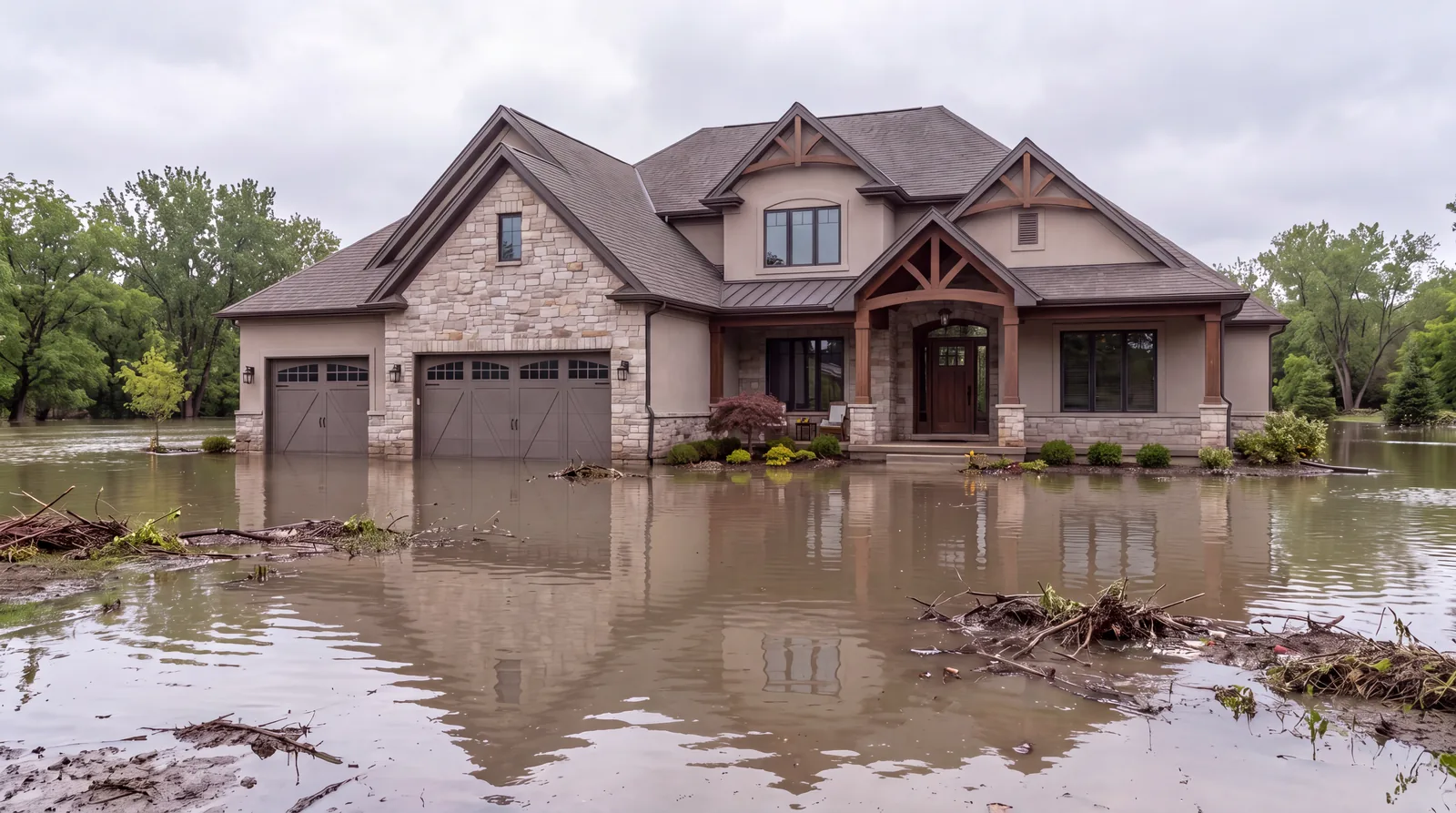
Rising water needs a separate flood policy. A burst pipe is generally covered; water coming in from outside is not. The Meramec and Bourbeuse have both hit record levels in recent years, so check your zone instead of assuming.

Not covered
Earth Movement

Earthquake & Sinkholes

Standard policies typically exclude earth movement. Earthquake coverage has to be bought separately, and sinkhole coverage may be available by endorsement. Wear, tear and deferred maintenance aren't covered either, since insurance is for sudden, accidental damage.

Is your dwelling limit still the right number?

It's the most common gap we find, and the easiest to fix before you need it. We'll recalculate rebuild cost with you and explain your options, then you pick.

Coverage Basics

The four decisions that actually shape your policy.

Past the six coverages, a handful of choices decide whether your policy holds up. We'll explain each one, then you decide.

1. Rebuild cost, and the cushion above it

Rebuild cost is what a contractor would charge today to put your house back: labor, materials, permits, debris removal and the extra cost of building one house at a time. It has nothing to do with your purchase price or your mortgage balance.

Even a well-set limit can fall short after a widespread hailstorm or tornado, when lots of homes need roofers and contractors at once and prices climb. That's what extended replacement cost is for, where available. It adds a cushion above your dwelling limit for exactly this situation. Pair it with building code upgrade coverage, which helps pay the difference when current code requires more than your house was built to. On an older home in Sullivan, Bourbon or Cuba, code upgrades alone can add up.

2. Replacement cost versus actual cash value

Replacement cost pays to replace what you lost with new equivalents. Actual cash value pays the depreciated value. For belongings, the upgrade to replacement cost is usually inexpensive and worth it for most people.

Watch your roof in particular. Some policies settle roof claims at actual cash value, or reduce roof payments based on age. Under actual cash value, an older roof pays out like an older roof, minus depreciation and your deductible, while the new one is billed at today's prices. In a state where hail is the main event, that gap can be thousands of dollars, and it's one of the first lines we read on a policy you already have.

3. Your deductibles, including the one you may not know about

The all-perils deductible is your main pricing lever. The right one is the largest number you could write a check for tomorrow without wincing.

The Missouri Department of Commerce and Insurance notes that some insurers use a percentage deductible for wind and hail, figured on your dwelling limit instead of a flat dollar amount. For example, 2 percent of a $100,000 dwelling limit is $2,000, and the number grows with your home's value. Not every policy has one, so know yours before storm season.

4. Liability, and the bundle that ties it together

Your homeowners liability limit protects your assets when someone is hurt on your property or you're found responsible for damage elsewhere. Many policies start at $300,000, which may not match what you'd stand to lose.

If you've got a house and a driveway full of cars, putting your home and autos together with one agency keeps the liability limits lined up, and bundling may lower the price. An umbrella policy can sit on top of both. We'll show you the options side by side and you pick.

Send us your declarations page. We'll read it with you.

Dwelling limit, roof settlement, wind/hail deductible, water backup and liability. We'll explain what each line means and what's missing, then you choose. No pressure either way.

Missouri Weather, Honestly

Hail, tornadoes, shaky ground and the water in your basement.

Missouri gets a bit of everything. Here's how each piece usually shows up on a homeowners policy, without the scare tactics.

Hail, high wind and tornadoes

Hail is the big one here. Severe storms bring high wind and hail from spring into summer, and Missouri sees dozens of tornadoes in a typical year. On a homeowners policy, wind, hail and tornado damage are typically covered, subject to your deductible.

That deductible is the part to check. The Missouri Department of Commerce and Insurance notes that some insurers use a percentage deductible for wind and hail. For example, 2 percent of a $100,000 dwelling limit is $2,000 out of pocket on a wind or hail claim. A lower deductible costs more in premium; a higher one costs less and asks more of your savings. We'll lay out the choices and let you pick.

Your roof: age, settlement and impact-resistant shingles

Roof age affects both what you pay and what coverage is available, and the settlement terms matter as much as the premium. With replacement cost roof coverage, a covered claim pays to put on a new roof, minus your deductible. With actual cash value settlement, the payout is reduced for the roof's age and wear, so an older roof can leave a gap between the check and the roofer's invoice.

Replacing the roof anyway? Ask about impact-resistant shingles. Some insurers may offer a discount for them. Bring us the product and installation paperwork and we'll check what applies.

The ground: earthquakes and sinkholes

Earthquake damage isn't included in a standard home policy. It has to be bought separately, and the Missouri Department of Commerce and Insurance says deductibles of 10 to 20 percent are common. The New Madrid Seismic Zone in southeast Missouri is the reason it comes up: the USGS estimates a 25 to 40 percent chance of a magnitude 6 or larger quake there within 50 years. Sullivan isn't in the New Madrid zone itself, but it's worth a conversation, and we'll explain the cost and the deductible so you can decide.

Sinkholes are a Missouri thing. The Missouri Department of Natural Resources has identified about 16,000 of them across the state's karst terrain. Standard policies typically exclude earth movement, so a sinkhole under the house isn't automatically covered. Sinkhole coverage may be available by endorsement, and the Missouri FAIR Plan has offered standalone sinkhole coverage since 2015. Ask us what's available for your address.

Basement water and frozen pipes

This is the one that surprises people most. Standard homeowners policies usually exclude water that backs up through a sewer or drain, or overflows from a failed sump pump. You can add it back with a water backup endorsement, and you choose the limit. A battery backup for the sump pump helps too, since storms and power outages tend to arrive together.

In winter, sudden water damage from a pipe that freezes and bursts is generally covered, subject to your deductible and the policy's conditions, which usually expect reasonable care like keeping the heat on. Insulate exposed pipes and know where your main shutoff is.

Flooding along the Meramec and Bourbeuse

Flooding is separate from backup, and it's excluded from homeowners policies entirely. The Meramec and Bourbeuse rivers flooded to record levels in December 2015 and again in May 2017. A flood policy is a separate purchase, and NFIP policies generally have a 30-day waiting period, so don't wait for the forecast.

If you've been non-renewed or can't find coverage

Non-renewal isn't cancellation, and it's often about an insurer's appetite, not you. We'll start with Farmers, and if Farmers isn't the right fit, we may be able to quote other companies through Kraft Lake Insurance Agency. Call us the day the letter arrives.

If the regular market won't write the home, the Missouri FAIR Plan (the Missouri Property Insurance Placement Facility, 800-392-7240, missourifairplan.com) offers coverage when other insurers won't. It's the fallback, so we look at the regular market first, and we'll help you understand the options. For consumer questions, the Missouri Department of Commerce and Insurance hotline is 800-726-7390.

Storm season coming, or already been hit?

Before the next hailstorm, let us check your wind/hail deductible, your roof settlement terms, your water backup limit and your dwelling limit. No charge and no pitch.

Seven honest ways to lower your premium. Without hollowing out the policy.

The biggest lever is usually bundling your home with your cars. The rest stack on top. Eligibility varies, and we'll tell you what applies.

1

Bundle home with all your cars

Placing your home and every vehicle in the household together may lower what you pay, and a multi-policy discount may apply. It also puts your whole plan with one local office that can see the full picture. Start with an auto quote and we'll price the set.

2

Farmers first, other options when it fits better

We start with Farmers. When Farmers isn't the best fit for your home, we may be able to quote other companies through Kraft Lake Insurance Agency. We explain the differences in coverage, not just price, and you pick.

3

Raise the deductible your savings can actually cover

A higher deductible can trim the premium. The right deductible is the biggest number you could write a check for tomorrow without losing sleep. The same logic applies to a percentage wind/hail deductible, so look at both together.

4

Stop insuring the land

If your dwelling limit was set from market value, part of it may be paying for coverage that can never pay out, since nobody rebuilds dirt. Recalculating to true rebuild cost sometimes lowers the premium. Sometimes it raises it, because the limit was short. Either way you find out now instead of at a claim.

5

Ask about occupation-based discounts

Farmers offers discounts for certain professions, such as educators, firefighters, law enforcement, military, nurses, physicians, engineers, scientists and accountants. You may qualify, and eligibility varies, so tell us what you do for a living.

6

Stack the boring discounts

Ask which of these may apply: monitored alarm, water leak detection, a newer or impact-resistant roof, updated electrical and plumbing, claims-free history, paperless billing, paying in full. Each is small, but they can add up, and they're exactly the kind of thing that falls off a policy without anyone noticing.

7

Review it every year, because your home changes

Rebuild costs move, roofs age and families add rooms, cars and teenage drivers. Once a year we'll go over your home, autos and everything else in one place. What doesn't work: shaving the dwelling limit to hit a target premium. That's not a saving, it's a deferred loss.

Every Missouri home is a little different. We work through them all.

A house near the river, a farmhouse with a pole barn, a manufactured home on a few acres, a home you rent out. Each one changes how the policy should be built.

Under contract, or renewing soon?

Tell us the address and we'll explain what's available, what it costs and what could make it cheaper. Straight answer, no obligation.

Homeowners insurance around Sullivan. Up and down the I-44 corridor.

Home insurance is priced address by address. Distance to the river, the age of the roof and what's out back can change the answer. We write homes in Sullivan and nearby communities in Franklin and Crawford counties.

Missouri home insurance questions. Straight answers.

Is homeowners insurance required in Missouri?

Missouri law doesn't require homeowners insurance the way it requires auto coverage. Your mortgage lender does, and they will want it in writing, with the lender named on the policy.

If coverage lapses, the lender can buy force-placed insurance and bill you for it. That coverage is usually more expensive and protects the lender's interest, not yours. If you own your home free and clear, going without is your call, but it's a bet against your largest asset.

What does homeowners insurance actually cover?

A standard HO-3 policy covers six things: the dwelling (the structure), other structures (fence, detached garage, shed, pole barn), personal property (your belongings), loss of use (somewhere to live during repairs), personal liability (if someone is hurt or you damage someone else's property), and medical payments to guests.

Covered perils generally include fire, smoke, theft, vandalism, wind, hail, the weight of ice and snow, falling trees and most sudden water damage, such as a pipe that bursts. The big exclusions are flood, earthquake and other earth movement, water that backs up through a drain or sump unless you add an endorsement, and anything that counts as maintenance or wear.

How much is homeowners insurance in Missouri?

It depends on the house more than almost any other kind of insurance. Rebuild cost, roof age and material, the age of the plumbing and wiring, your deductibles, your claims history and the address itself all move the price.

Averages don't tell you much about your home, so we quote your actual address instead. We start with Farmers and can look at other options when Farmers isn't the best fit. Bundling with your cars may lower what you pay.

How much dwelling coverage do I need?

Your dwelling limit should equal the cost to rebuild your home. Not what you paid, not what an online estimate says and not what you owe. Rebuild cost is what a contractor would charge today for labor, materials, permits and debris removal.

The costly mistake is under-insuring. Construction costs move, and a limit set years ago can drift well short of today's number. We'll recalculate it with you and explain the choices.

Does homeowners insurance cover hail, wind and tornado damage?

Generally yes, subject to your deductible. Wind, hail and tornado damage are typically covered perils on a homeowners policy. That matters here, because Missouri sees frequent hail from spring into summer.

Two lines to read before storm season: your wind/hail deductible, and whether your roof settles at replacement cost or actual cash value. Those terms decide what a storm claim actually pays. Water that rises from outside, like a river over its banks, is flood, and that needs a separate flood policy.

What is a wind or hail percentage deductible?

The Missouri Department of Commerce and Insurance notes that some insurers use a separate deductible for wind and hail, calculated as a percentage of your dwelling limit instead of a flat dollar amount. For example, 2 percent of a $100,000 dwelling limit is $2,000 out of pocket on a wind or hail claim.

Not every policy has one, and the terms vary by insurer. Know your number before storm season. When we quote, we'll show you how different deductible choices change the premium, and you pick.

Does homeowners insurance cover earthquakes in Missouri?

No, not on a standard policy. Earthquake coverage has to be bought separately, and the Missouri Department of Commerce and Insurance says deductibles of 10 to 20 percent are common.

The New Madrid Seismic Zone in southeast Missouri is why it comes up. The USGS estimates a 25 to 40 percent chance of a magnitude 6 or larger earthquake there within 50 years. Sullivan isn't in the New Madrid zone itself, but we're happy to explain the cost and deductible so you can decide.

Are sinkholes covered on a Missouri home policy?

Usually not on a standard policy. Standard policies typically exclude earth movement, and Missouri has about 16,000 identified sinkholes, according to the Missouri Department of Natural Resources.

Sinkhole coverage may be available by endorsement, and the Missouri FAIR Plan has offered standalone sinkhole coverage since 2015. Ask us what's available for your home.

Does homeowners insurance cover flood?

No. Rising water is excluded from standard homeowners policies. Flood coverage is a separate policy, often through the National Flood Insurance Program (NFIP), and we can help you set it up alongside your home policy.

NFIP policies generally have a 30-day waiting period, so buy before the forecast turns. If your home is in a high-risk flood zone and you have a mortgage, your lender will require it. The Meramec and Bourbeuse rivers flooded to record levels in December 2015 and May 2017, so homes near them deserve a look even outside mapped high-risk zones.

Is water from a sewer backup or a failed sump pump covered?

Usually not, unless you add it. Standard homeowners policies typically exclude water that backs up through a sewer or drain, or overflows when a sump pump fails. A water backup endorsement adds that coverage back, up to the limit you choose.

If your home has a basement, especially a finished one, this is one of the most important add-ons on the policy. A power outage during a storm can stop a sump pump right when it's needed most. Ask us to show you the endorsement limits side by side.

What's the difference between replacement cost and actual cash value?

Replacement cost pays to replace what you lost with new, equivalent items. Actual cash value pays the depreciated value, so an older roof pays out like an older roof, not a new one.

For belongings, replacement cost is usually worth the modest premium difference. Watch the roof in particular. Some policies settle roofs at actual cash value or reduce roof payments by age, and after a hailstorm the gap can be thousands of dollars. It's one of the first things we check on a policy you already have.

Can you insure a manufactured or mobile home?

Often, yes. We start with Farmers, and when Farmers isn't the best fit, we may be able to quote Farmers family company Foremost®, or other companies through Kraft Lake Insurance Agency.

Availability depends on the home, its age and how it's set up, so call us with the details and we'll tell you plainly what we can do.

My insurer non-renewed me or I can't find coverage. What now?

Call us the day the letter arrives. Non-renewal isn't cancellation, and it's often about the insurer's appetite, not you. We'll start with Farmers and, if that isn't the right fit, look at other companies through Kraft Lake Insurance Agency.

If the regular market won't write the home, the Missouri FAIR Plan (Missouri Property Insurance Placement Facility, 800-392-7240) offers coverage when other insurers won't. For questions about your rights, the Missouri Department of Commerce and Insurance consumer hotline is 800-726-7390.

I have a house and several cars. How does bundling work?

That's exactly who we love to help. Placing your home and all your vehicles together may lower the price, and a multi-policy discount may apply. Eligibility varies.

It also keeps your liability limits lined up across the house and the cars, with one local office to call. We'll show you the bundle and the separate prices side by side, and you pick.

Why work with a Farmers agency that has other options?

You get Farmers first, and other options when Farmers isn't the best fit. We're a Farmers Insurance agency, and we can also quote Farmers family companies Foremost® and Bristol West®, or, through Kraft Lake Insurance Agency, companies like Progressive and Liberty Mutual. Not every product is available from every company.

Either way, we actually explain the coverages to you and let you pick what works for you. Tina and her team are right here in Sullivan, Monday through Friday, 9 to 5 Central.

Still have questions? Call (573) 358-4513. We'll give you a straight answer.

Find out what your home really costs to insure.
Free, local and in plain English.

Tell us the address and what's on the property. We'll get the rebuild number right, explain your deductibles and add-ons, and let you pick what works for you.