Home / Landlord Insurance

Landlord & Rental Property Insurance in Missouri

One rental or several, your property is income. We'll explain how to protect the building, the liability and the rent, and let you pick what works for you.

DP-1 / DP-3Rental Dwelling Forms
Every DoorOne Local Office
SullivanLocal office
52Client reviews
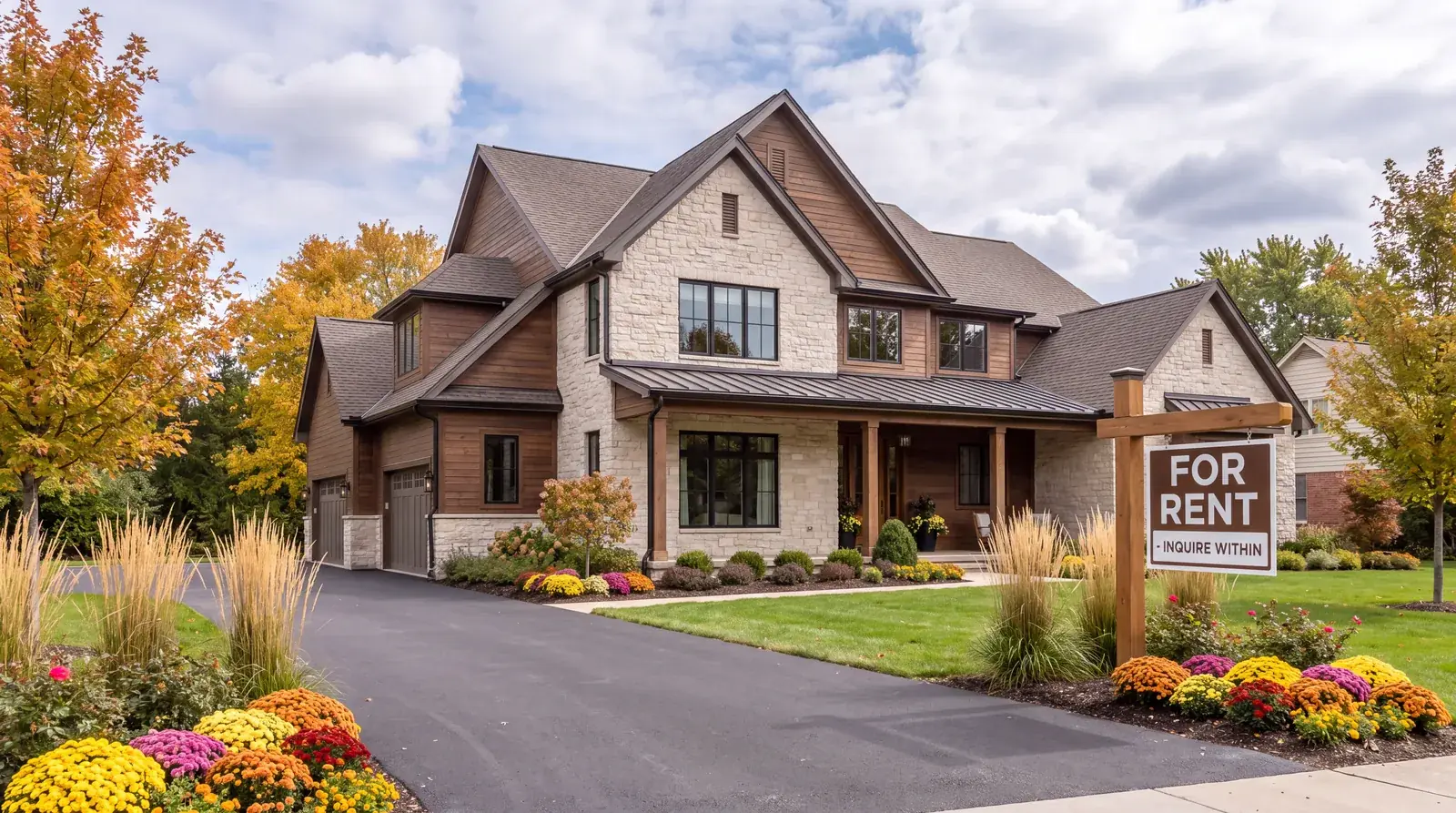
A rental home with a For Rent sign in the front yard
The Quick Answer

A rental in Missouri needs a landlord policy, usually a DP-1 or DP-3 dwelling fire form, not homeowners insurance. Filing a homeowners claim on a tenant-occupied property can be investigated and denied. A landlord policy covers the building as a rental, adds landlord liability, and can replace lost rents when a covered loss makes a unit uninhabitable. Ask about vacancy before a unit sits empty, because many dwelling policies limit coverage after a set period. Missouri rentals face hail, wind and tornadoes (some insurers use percentage wind/hail deductibles), winter freezes and burst pipes, sinkholes in karst terrain, and basement water from sump pump failure or sewer backup, which is usually excluded unless you add a water backup endorsement. Flood is always separate. Tenant belongings are never covered, so require renters insurance in the lease. Tina Gregory Agency is a Farmers Insurance agency in Sullivan with other options through Kraft Lake, including Foremost, which is known for landlord and dwelling coverage. Call (573) 358-4513.

Right policy
DP-1 or DP-3 landlord form, not homeowners
Empty unit?
Tell us before vacancy limits kick in
Never covered
Tenant belongings, unpaid rent
Call first
(573) 358-4513
Missouri Landlord Insurance, The Short Version

The most expensive mistake is the quietest one. Wrong policy, right property.

It usually happens like this. You bought a place, lived in it, and insured it as a home or a condo. Then you moved, kept it, and rented it out. The policy renewed every year, so nobody thought about it. Then a pipe bursts in January, you file a claim, and the adjuster asks who has been living there.

A homeowners policy is written for a home you live in. Once tenants move in, the insurer can investigate occupancy and deny the claim. If you are renting out a property that is still on a homeowners policy, call us. Everything else on this page is detail.

The right policy is a landlord policy, usually a dwelling fire form called a DP-1 or DP-3. It insures the building as a rental, covers the liability that comes with people living in a property you own, and can replace the rent when a covered loss puts a unit out of service. That last one matters most. Your mortgage does not care that the kitchen burned.

Around Sullivan, that might be the house in town you moved out of, a farmhouse you rent out, a duplex in Cuba or Union, or a few rentals along I-44. We start with Farmers, and when Farmers isn't the best fit for a property, we can quote other companies through Kraft Lake. Foremost, a Farmers Insurance Group company, is known for landlord and dwelling coverage and is often worth a look on rentals. Either way, we explain the coverages and let you choose.
What a landlord policy covers. And what lands back on you.

Three coverages do the real work: the building, the liability, and the rent. The exclusions are where landlords get surprised.

Core
Rebuild Cost

Dwelling

The structure, at what it costs to rebuild today rather than what the property would sell for. Ask for replacement cost over actual cash value where it's available: a fire that destroys a twenty-year-old roof should buy you a new roof, not a depreciated fraction of one.

Core
Liability

Landlord Liability

The broken stair rail, the icy walkway, the dog the tenant was not supposed to have. Covers defense costs as well as the judgment. Pick a real limit and consider an umbrella on top, because rental property attracts claims that owner-occupied homes do not.

Core
Fair Rental Value

Loss of Rents

Replaces rental income while a covered loss makes the unit uninhabitable, up to the limit and time period on your policy. Size it to what the unit actually rents for and a realistic repair timeline. After a widespread hailstorm, when roofers are booked across the county, repairs take longer than you would like.

Worth adding
Civil Authority

Civil Authority

Responds when a government order blocks access to the property, such as after a tornado, a major fire next door, or a gas leak on the block, even before your own damage is tallied. Not every form includes it, and it carries time limits and conditions. Ask us how yours reads.

Worth adding
Vacancy

Vacancy Endorsement

Many dwelling policies limit coverage once a property sits empty past a set period spelled out in the policy. Vandalism, glass breakage and freeze damage are often the first things limited. Turnover and fix-ups are normal for landlords. Tell us before it happens and we will help keep the coverage right.

Worth adding
Your Stuff

Landlord Property

The appliances, the washer and dryer, the furniture in a furnished unit, the mower in the shed. It is your property, not the tenant's, and standard limits are thin. Worth sizing on purpose.

Not covered
Their Stuff

Tenant Belongings

Never covered, and it should not be. That is what renters insurance is for. Require it in the lease, ask to be listed as an interested party, and verify it at renewal.

Not covered
Bad Tenants

Unpaid Rent & Evictions

A tenant who stops paying is a legal problem, not a claim. Loss of rent responds to covered physical damage, not to a bad tenancy. Eviction costs and rent you never collected are not on the policy.

Not covered
Backup & Flood

Sewer Backup & Flood

Basement water from a sump pump failure or sewer backup is usually excluded unless you add a water backup endorsement. Flood is always a separate policy: flood coverage protects the building you own, and your tenants need their own contents coverage.

Renting out a place that is still on a homeowners policy?

It is one of the most common gaps we see, and one of the most expensive. Fixing it takes one call, and it can be the difference between a paid claim and a denied one.

The Missouri Fine Print

Every loss interrupts the rent. Your mortgage keeps coming.

A rental faces the same weather as the house you live in, with one difference: every loss also stops income. Here is what we look at first on a Missouri rental.

Hail, wind and tornadoes

Spring and summer bring severe thunderstorms, straight-line winds, hail and tornadoes. Picture a storm that drops a tree through the roof of a rental outside Sullivan or St. Clair. The tenant moves out while it is repaired, and repairs drag on because every roofer in the area is booked. That is months of payments with no rent against them, unless loss of rents coverage sized to the real rent is on the policy. The Missouri Department of Commerce and Insurance notes that some insurers use a percentage deductible for wind and hail: 2% of a $100,000 dwelling limit is a $2,000 deductible. Some policies also settle older roofs at actual cash value. On a rental, both are business costs you want planned rather than discovered.

Winter freezes, vacant units and sinkholes

A Missouri cold snap finds the unit nobody is watching. Dwelling policies typically expect you to keep the heat on, or shut off and drain the water, in a vacant or unoccupied property, and many limit coverage once a property sits vacant past a set period. Between tenants or during a fix-up, check the property during hard freezes and tell us before a vacancy runs long. Missouri also has about 16,000 identified sinkholes, and standard policies typically exclude earth movement. Sinkhole coverage may be available by endorsement, or through the Missouri FAIR Plan when the regular market won't write a property.

The basement and the rivers

Plenty of rentals around here keep the furnace, water heater and laundry in the basement. Water from a sump pump failure or sewer backup is usually excluded on standard policies unless you add a water backup endorsement. Separately, flood is never on a landlord policy. The Meramec and Bourbeuse rivers flooded to record levels in December 2015 and May 2017, and creeks can rise fast in heavy rain. Your tenants' belongings are never on your policy either, so require renters insurance and mention that they can buy their own flood contents coverage.

What to do with this

Bring us the declarations page for every rental you own. We will walk you through whether each policy is really a landlord form, what the loss of rents limit buys at today's rents, where the deductibles sit, how the roof would be settled, whether water backup and flood are in place, and whether the named insured matches how the property is titled. It is a free review, and it is better done before storm season than after. On lease language and Missouri landlord-tenant law, talk to an attorney. We are insurance people, and that is not our lane.

Does your loss of rent limit match what the unit actually rents for?

It is a quick read of your declarations page, and it is free. Better to know before storm season than to find out after the first storm.

Seven ways to protect the return. Not just the building.

A rental is a business, so the goal is not the cheapest premium. It is the best after-tax cost of risk, and those are different numbers.

1

Require renters insurance, then actually verify it

Put a minimum liability limit in the lease, ask to be added as additional interest so you are told when it lapses, and check at each renewal. A tenant with their own coverage means their loss goes to their own insurer instead of becoming your dispute. We are happy to quote your tenants directly.

2

Look hard at an umbrella

Rental property attracts liability that owner-occupied homes do not. An umbrella adds a layer of liability over your rentals, your home and your auto at once. For many landlords it is one of the best values on the page. If the rentals sit in an LLC, we will check that the umbrella and the named insureds line up.

3

Take a real deductible, because you are a business

You should not be filing small claims on a rental anyway: claims history follows the property and drives both price and whether the property stays insurable. Set the deductible where it belongs and self-insure the small stuff on purpose.

4

Keep your rentals, home and cars with one office

We quote Farmers first, and through Kraft Lake we can also look at other companies, such as Foremost, when Farmers isn't the best fit for a property. Some combinations may earn a multi-policy discount. It also means one office sees your whole picture instead of several people each seeing a slice, and every rental gets a regular review.

5

Put the money in the roof and the systems

Insurers look hard at rental roofs, furnaces, plumbing and electrical. A documented newer roof can affect eligibility and how a roof claim is settled, and an older roof may be settled at actual cash value. A working sump pump with a battery backup and updated systems help keep a property insurable. On a rental, upkeep does double duty: better terms and fewer tenant calls.

6

Tell us when the use changes

A long-term lease became a short-term rental. A tenant moved out and the unit is vacant during a fix-up. You deeded the property into an LLC. Every one of those changes the policy, and every one can become a denied claim if we hear about it after the fact instead of before.

7

Remember the premium is deductible

Insurance on a rental is generally a deductible business expense, so the after-tax cost is lower than the invoice. That is worth remembering before you cut coverage to save a few dollars a month. Confirm the details with your CPA, since we do insurance and they do taxes.

However you landlord. Let's talk it through.

The house you moved out of, a duplex, a farmhouse on a few acres, or a handful of rentals held in an LLC. Each is a different policy conversation.

One rental or a dozen, the review is free.

Tell us what you own and how it is rented. We will explain what the policy should be, what it costs, and what is currently exposed.

Landlord insurance around Sullivan. And along I-44.

From Sullivan, Stanton and Bourbon to Union, Washington, Cuba and Steelville, we help landlords across Franklin and Crawford counties and throughout Missouri. Tell us where the rental is.

Landlord and rental property questions. Straight answers.

Can I use homeowners insurance on a rental property?

No, and it is one of the most expensive quiet mistakes in rental ownership. A homeowners policy is written for a home you live in. Once tenants live there, the insurer can investigate occupancy and deny the claim.

A tenant-occupied property needs a landlord policy, usually a dwelling fire form such as a DP-1 or DP-3. If your rental is still on a homeowners policy, fixing it takes one phone call.

What does landlord insurance cover?

Three coverages do the real work: the dwelling at rebuild cost, landlord liability for injury and property damage claims tied to the rental, and loss of rents when a covered loss makes the unit uninhabitable.

Landlord-owned property like appliances gets its own limit. What it never covers: tenant belongings, unpaid rent from a bad tenancy, or eviction costs.

What is the difference between a DP-1 and a DP-3 policy?

A DP-1 is a basic named-perils form. It covers only the causes of loss listed in the policy and often pays at actual cash value. A DP-3 is broader. It generally covers the building against any cause of loss that isn't excluded and is more often written at replacement cost.

A DP-1 can make sense on an older or lower-value property. For most single-family rentals and duplexes we start the conversation with a DP-3 and compare.

How much does landlord insurance cost in Missouri?

It depends on the property, not the ZIP code alone. Rebuild cost, roof age and condition, the heating, plumbing and electrical systems, claims history, deductible, and how the property is rented all move the number.

We quote Farmers first and, when Farmers isn't the best fit, Farmers family companies such as Foremost, or other companies through Kraft Lake, then walk you through the options. The premium is generally a deductible business expense, so confirm the after-tax cost with your CPA.

I own several rentals. Can they go on one policy?

Sometimes. Depending on how many rentals you own and how they are titled, the options may range from separate dwelling policies with one renewal date to a single policy that schedules every property.

Either way, one office sees the whole picture, and one umbrella can often sit over all of it. Send us a list of addresses and how each one is owned, and we will lay out the options.

Do apartment buildings need a different policy?

Usually. Dwelling fire forms are typically built for one- to four-unit properties. Larger apartment buildings are generally written on a commercial property policy, often with general liability, loss of rents and equipment coverage built in.

Mixed-use buildings and buildings with a shared laundry, parking lot or common areas add liability exposure, so tell us everything on the property when we quote it.

My rentals are owned by an LLC. Does that change the insurance?

It changes the paperwork. The named insured on the policy should match how the property is actually titled, so a property deeded to an LLC should be insured in the LLC's name, and you may want yourself or other members listed too.

A mismatch between the deed and the policy is an avoidable claim problem. The entity decision itself belongs to your attorney and CPA. Our job is to make the insurance match it.

Do I need an umbrella policy as a landlord?

We think most landlords should look at one. Rental property attracts liability that owner-occupied homes do not, and an umbrella adds a layer of liability over your rentals, your home and your auto at once.

If your rentals are in an LLC, ask us how the umbrella and the named insureds line up. That detail matters more than the limit.

What happens to the rent after a fire or storm?

When a covered loss makes a unit unlivable, the tenant may not owe rent while it is being repaired, depending on your lease and Missouri landlord-tenant law. Your mortgage, taxes and other costs keep coming.

That gap is what loss of rents coverage is for. Ask a landlord-tenant attorney about your lease. Ask us to size the coverage to what the unit really rents for.

Does landlord insurance cover hail, wind and tornado damage in Missouri?

Generally yes. Wind and hail are typically covered on a DP-3, and loss of rents can apply while covered damage keeps the unit out of service. The details that matter are the deductible and how the roof is settled.

Some insurers use a percentage deductible for wind and hail, such as 2% of the dwelling limit, and some settle older roofs at actual cash value. Know both numbers before storm season. Flood is always a separate policy.

Is water in the basement covered?

It depends on where the water came from. Basement water from a sump pump failure or a sewer backup is usually excluded on standard policies unless you add a water backup endorsement.

Surface water and flooding are excluded and need a separate flood policy. On a rental with a finished basement or a furnace and water heater downstairs, the backup endorsement is worth a look.

What if my rental sits vacant between tenants?

Tell us before it happens.

Many dwelling policies limit coverage once a property sits empty past a set period spelled out in the policy, and vandalism, glass breakage and freeze damage are often the first to be limited. A Missouri winter turns a vacant unit with the heat off into a burst-pipe claim. Keep the heat on or the water shut off and drained, and ask about a vacancy endorsement for longer gaps or renovations.

Are tenant belongings covered by my landlord policy?

Never, and they should not be. That is what renters insurance is for.

Require it in the lease with a minimum liability limit, ask to be added as an interested party so you hear if it lapses, and verify at each renewal. A tenant with their own coverage means their loss goes to their own insurer instead of becoming your dispute.

Does landlord insurance cover unpaid rent or evictions?

No. A tenant who stops paying is a legal problem, not a claim.

Loss of rents responds to covered physical damage that makes the unit uninhabitable, not to a bad tenancy. Eviction costs and rent you never collected are not on the policy, and screening remains the better investment.

Do I need special coverage for a short-term rental?

Yes. Standard landlord forms are written for longer-term tenants and often exclude short stays. Platform host protection is not an insurance policy you control.

Check your city or county rules first, then ask us what is available for that use. A cabin near the Meramec rented by the weekend is a different risk from a year-long lease. Disclosing the rental pattern up front matters. A denied claim costs far more than the right policy would have.

What about a duplex I live in, or a unit over the garage?

Living in one side of a duplex or renting out the unit over the garage changes your coverage in ways a standard homeowners policy may not handle.

Depending on the setup, the fix may be an endorsement, an owner-occupied form for two to four units, or a separate policy. Tell us the arrangement before the tenant moves in.

Do my rentals need flood insurance?

Standard landlord policies do not cover flood. If a rental sits in a high-risk flood zone and has a mortgage, the lender will require flood coverage. Rentals near the Meramec or Bourbeuse rivers, or creeks that rise in heavy rain, are worth a closer look either way. Both rivers flooded to record levels in December 2015 and May 2017.

NFIP policies generally have a 30-day waiting period, so buy before the forecast. Your flood policy covers your building. Tenants need their own contents coverage.

Still have questions? Call (573) 358-4513. We will give you a straight answer.

Protect the building, the liability and the rent.
Free, and in plain English.

Tell us about the property, or every rental you own, and how it is rented. We will explain the coverages, show you Farmers and other options, and let you pick what works for you.